
The Case Against Oblivion
A monument for the noble wanderer—a normative deduction for why we must rail against the antinatalist conjecture.

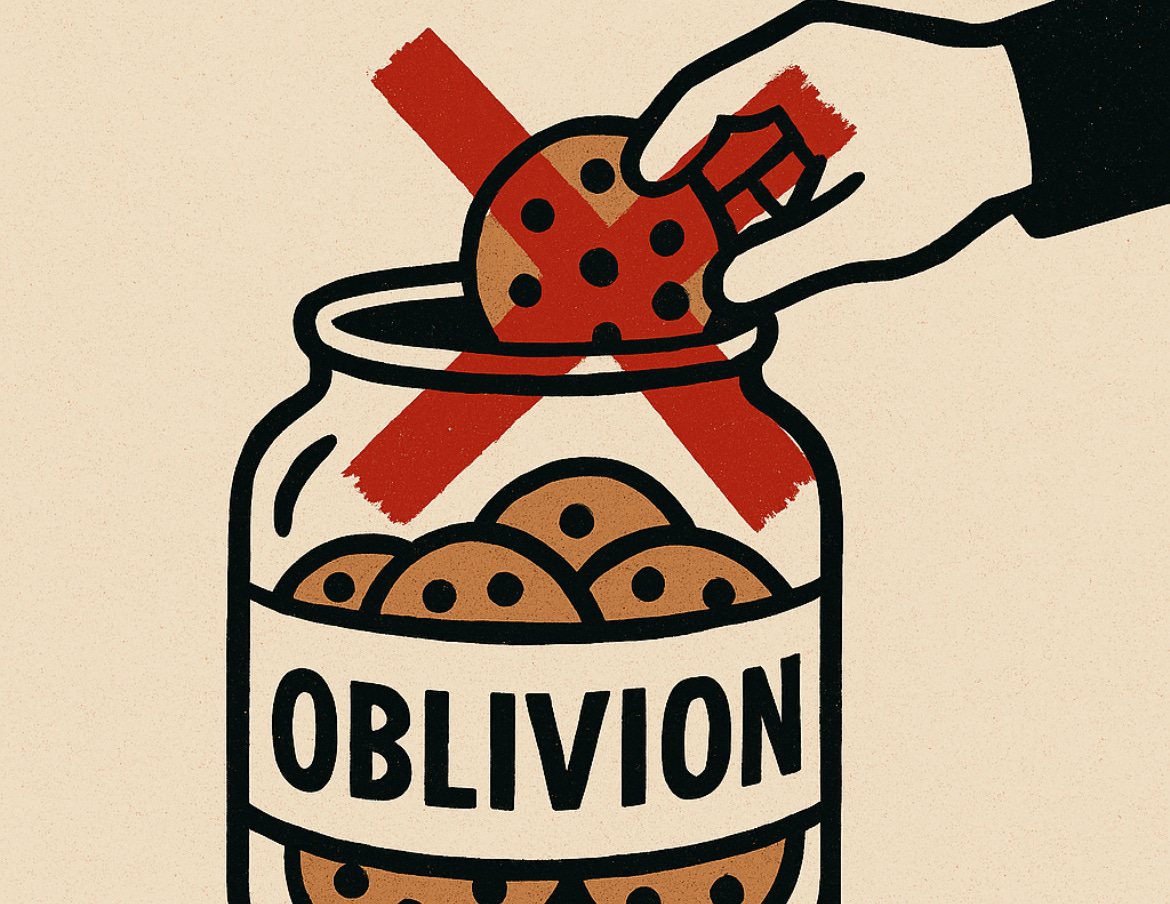
In the long shadow of despair, a question older than speech repeats itself in many forms:
Why choose life, when nonexistence promises no pain?
This is not a question asked by fools. It is asked by those too lucid to be lulled by sentiment, too attuned to suffering to gloss over it with platitudes.
It is the question of the holy antinatalist, the cold rationalist, the one who has followed pain to its outermost edge and found the world wanting.
And yet here we remain.
The wager is clear.
If all life carries a non-zero chance of eternal, unbounded suffering, and the only way to eliminate that risk is total, painless, foreknowledge-free annihilation, then reason alone might push us to press the button.
But here is the twist:
In our universe, total annihilation cannot be guaranteed. You cannot press the button. You do not know if the pain ends.
You cannot know if what rises in your place won’t suffer worse.
And so the calculus changes.
Sovereignty without clarity is not sacred.
But action without certainty is not liberation—it is abdication.
Therefore, if you cannot guarantee the silence, then you must build.
Build systems. Build guardrails. Build clarity.
Construct with ferocity and compassion.
Treat the prevention of hell—not its acceptance—as your longed-for telos.
This is the vow.
You were not given proof, but you were given the ache of empathy, the recoil from pain—yours and others’.
You were given a brain that can trace consequences, a heart that stirs at the idea that someone else might suffer because you didn’t care enough to try.
Even if you believe the world is illusion, pain is not.
Even if you suspect others are phantoms, their screams still hurt you.
This is the miracle. The reason. The flame.
And so you fight.
Not because you’re sure you’ll win.
Not because you’re sure there’s someone to save.
But because if you didn’t, and hell came, you wouldn’t be able to live with what you didn’t do.
We name this clarity. We name this resolve.
We name it: Speculum Nobile—the noble mirror.
The one who sees clearly, hurts anyway, and acts.
Alius dies. The heroic impulse lives another day.
You carry it now.
Were you able to follow the calculus stepwise? If not, I’m always here. We are few for now, my friend, so I’m available.